
6 Nutrients for a Healthier, Happier Gut
A Happier Gut = A Happier, Healthier You
Did you know your mental health mirrors your gut health, and vice versa? Your intestinal microbiome—a web of microorganisms that live symbiotically within our bodies—can affect how you feel, for better or worse, thanks to the gut-brain connection. Recent research reveals a link between a weakened or imbalanced gut microbiome and conditions like depression, anxiety, and bipolar disorder; likewise, a healthier microbiome has been demonstrated to promote optimal brain function and emotional regulation.1,2,3 To put it simply, an unhealthy gut = an unhealthy mental state.
Your gut microbiome also plays a huge part in keeping you physically healthy. Gut microbes are directly responsible for helping your brain and gut communicate, plus producing the neurotransmitters that keep the rest of your body running (like serotonin and dopamine).1,2 A healthy microbiome helps your body break down food and absorb micronutrients, supports healthy immune function, and bolsters both nervous and endocrine system health.4
Thankfully, there’s a lot we can do to foster this brain-gut connection and help our microbiomes flourish. Read on to learn more about which nutrients can help support a healthy digestive tract!
Prebiotics & Probiotics
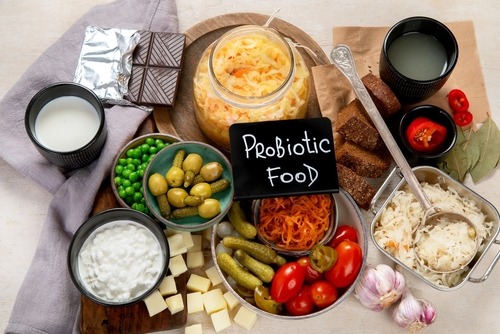
Prebiotics and probiotics are a great place to start your gut health journey. Prebiotics (fiber) act as food for the “good” microorganisms, while probiotics replenish your microbiome with live beneficial microbes.5,6 When taken together (synbiotics), they support healthy, smooth digestion, regulate your microbiome, and help guard against pathogens/bad bacteria. They can also help you neutralize toxins and better absorb beneficial nutrients like calcium.7,8 And they’re easy to take! In addition to taking prebiotic and probiotic supplements, you can increase your intake with foods like vegetables, legumes, leafy greens (prebiotics), yogurt, kefir, aged cheese, kimchi, and sauerkraut (probiotics).9
YGY’s Recommended Pick:
Specifically formulated to optimize this ecosystem, Ultimate Microbiome™ provides prebiotic, probiotic, and postbiotic support. With a blend of time-tested prebiotics, probiotics, digestive enzymes, adaptogens, and more, this dietary supplement gives your gut everything it needs to thrive.
Fiber
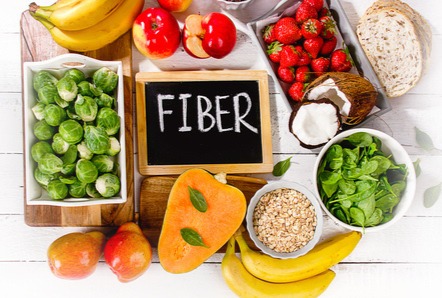
Speaking of prebiotics, fiber is at the top of the list for fueling healthy digestion. Not enough can leave you feeling uncomfortably blocked or full, while too much can make you feel bloated or even dehydrated—but a healthy balance can make you feel fantastic! Your body can’t break it down, so it acts as a sort of sponge for your GI tract, helping you feel full longer with less food, balancing blood sugar and cholesterol levels, and keeping things moving smoothly and comfortably through your intestines.10 As we mentioned above, fiber is also one of the key sources of fuel for the beneficial microbes in your gut microbiome; when you nourish it with fiber, it helps your body thrive from the inside out. You can get fiber from supplements and high-fiber foods like vegetables, legumes, leafy greens, and fruits.
YGY’s Recommended Pick:
Formulated with diverse prebiotic fibers, digestive enzymes, and a unique blend of botanicals, YGY Regulate™ is designed to support your gut microbiome, promote healthy blood sugar levels, and promote healthy digestion. Each on-the-go serving is packed with nutrition that fuels your beneficial gut bacteria and promotes smooth, efficient digestion.
Digestive Enzymes

Food intolerances are no joke—and if you have one, you’re certainly familiar with the associated discomfort and hassle. According to recent studies, they may affect up to 20% of the population!11 Digestive enzymes are crucial for efficient, comfortable digestion and nutrient absorption; without the right balance of enzymes on board, we may experience uncomfortable symptoms like cramping, bloating, diarrhea, gas, or unexpected weight loss and—more dangerous yet—nutritional deficiency.12 We may also set our microbiome back by giving it more work and fueling bad bacteria with under-digested food.13 Regardless of how your deficiency or imbalance began, filling in the gaps with a digestive enzyme supplement can help you get back on track with your digestive health, give your gut a break, and help prevent deficiency.
YGY’s Recommended Pick:
Our specialized formula provides all the essential enzymes you need in one convenient, easy-to-swallow capsule, perfect for supporting healthy digestion with every meal.
Leafy Greens
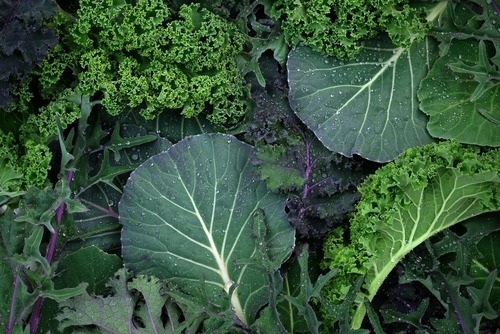
Leafy greens are PACKED with fiber, beneficial nutrients, and can help you feel comfortable through all stages of digestion. Their highly alkaline, fibrous makeup can help you feel full on less, reduce acid reflux/heartburn/bloating, and ensure smooth, regular stools.10,14 Leafy greens also deliver essential vitamins (Vitamins A, C, E, K, and Folate), minerals (Magnesium, Manganese, Calcium), dietary nitrates, and antioxidants, which can help your body fight accelerated aging and oxidative stress at the cellular level.15,16,17 All of these nutrients feed the beneficial microbes in your gut and work in tandem with them to support a healthy body.
YGY’s Recommended Pick:
Youngevity Super Greens™ Canister
Organic fruits, vegetables, probiotics, and digestive enzymes synergize for the ultimate digestion and immune-system-supporting health beverage. With its highly alkaline formulation and refreshing peppermint taste, picky eaters and those with sensitive tummies alike can get behind this supplement.
Omegas, Herbs, & More
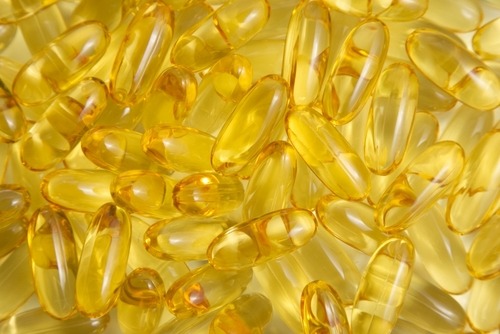
There are so many other amazing nutrients that can help your digestive system and gut microbiome thrive! Omega fatty acids are mainly known for supporting heart and brain health, but they can also bolster your microbiome diversity and gut barrier integrity.18 Modern innovations like i26® Hyperimmune Egg Powder, made from the eggs of immunized chickens, deliver a variety of natural antibodies that can help your microbiome fight off dysbiosis-causing microbes for a healthier balance.19 There are also various research-backed botanicals, herbs, and other traditional remedies we can take advantage of for happier, healthier digestion. Peppermint and Ginger for digestive discomfort, Clove Bud and Turmeric for immune support, Slippery Elm and Licorice Root for bolstering and soothing gut lining.20,21,22,23
YGY’s Recommended Picks:
ProJoba OmegaTM combines several essential fatty acids from fish oils for one potent, all-in-one omega-3 supplement.
Ultimate ParaClear™ combines traditional herbal remedies – including Wormwood, Black Walnut, Clove Bud, and Garlic – with research-backed, immune-supporting minerals to help you support a natural intestinal cleanse.
Enjoy a natural detox and body cleanse with every soothing sip! Senna leaf, cinnamon bark, and ginger root detoxify your inner ecosystem, while orange peel, peppermint leaf, and chamomile flower provide immune and digestive support.
Why You Need These Nutrients

With most Americans falling significantly short of recommended fruit and vegetable recommendations, many of us are missing out on the vital vitamins, minerals, fiber, antioxidants, and more needed for a healthy GI tract.24 Most of us also carry around a lot of stress and live very busy lives, which can damage our microbiome balance via the brain-gut axis we talked about earlier.25 Deficiency and stress together create conditions ripe for gut discomfort and dysbiosis—you may not even realize how it’s impacting you until you’re really suffering. When changes occur slowly over time, or if you’ve been living with the discomfort for long enough, it’s easy to write off fatigue, moodiness, bloating, or nausea as “normal” when they’re actually symptoms of dysbiosis.26 You don’t know what you don’t know—maybe it’s time to find out how good you can actually feel with a healthy, happy gut.
Explore more products, research, and information in our Blog and on Youngevity.com!
Read Next: Mental Health: The Nutrition Connection
Sources
1 The Gut-Brain Connection, Cleveland Clinic
5 Probiotics, Cleveland Clinic
6 Probiotics and prebiotics: What you should know, Mayo Clinic
7 Health Effects and Sources of Prebiotic Dietary Fiber, 2018
8 Probiotics Fact Sheet, National Institutes of Health, Office of Dietary Supplements
9 Fermented Foods, Health and the Gut Microbiome, 2022
10 Fiber, The Nutrition Source
12 Digestive Enzymes and Digestive Enzyme Supplements, Johns Hopkins Medicine
13 Enzymatic Regulation of the Gut Microbiota: Mechanisms and Implications for Host Health, 2024
14 GERD Diet: Foods That Help with Acid Reflux (Heartburn), Johns Hopkins Medicine
15 The 13 Healthiest Leafy Green Vegetables, Healthline
16 How can antioxidants benefit our health?, Medical News Today
17 Add antioxidants to your diet, Nutrition and healthy eating, Mayo Clinic
18 Impact of Omega-3 Fatty Acids on the Gut Microbiota, 2017
19 All About Hyperimmune Egg Powder, IgY Nutrition
20 Peppermint, Memorial Sloan Kettering Cancer Center
21 Ginger, Memorial Sloan Kettering Cancer Center
22 What Are Licorice Root’s Benefits and Downsides?, Healthline
23 Prebiotic Potential of Herbal Medicines Used in Digestive Health and Disease, 2018

