
Why You Need Protein
Support better strength, energy, and radiance with age.
Protein used to be viewed as something reserved for gym-goers, athletes, or bodybuilders. But today, research is clear: adequate protein intake is essential for every person1—at every age, at every activity level, living every type of lifestyle. As you age, your body changes dramatically over the decades, and the way you nourish yourself needs to change with it. Protein plays a direct role in how strong, energized, and resilient you feel—both today and long into the future.
Why Protein Matters More as You Age

As an adult, you begin to naturally lose muscle mass around age 30—a process called sarcopenia.2 Building muscle isn’t just about looking fit; it influences metabolism, energy, mobility, and so much more.1,3 Fueling your muscles with the right nutrition can not only help you stay in shape and build up your endurance—it can also help you achieve better mobility, resilience, and quality of life as you age.
Protein is the nutrient that protects and rebuilds this critical lean tissue. Simply put, protein is one of the most powerful tools you have for healthy aging. Adequate protein intake helps you:1,3
- Build and maintain muscle mass
- Support a healthy metabolism
- Strengthen bones
- Sustain your energy
- Enhance immune function
- Support hormonal health
How Much Protein Do You Really Need?

Many people are still following outdated recommendations that suggest around 50 grams of protein per day.1 But that number only prevents deficiency; it doesn’t support strong, active, vibrant aging.
For adults, the optimal daily protein range is: 1.2–1.6 grams of protein per kilogram of body weight.4 Individuals with rigorous exercise routines or strength programs would fall on the higher end of this range, up to 2.0 g/kilo.
Example: 150 pounds = 68 kilograms
Protein needed: 82–136 grams daily
Even the lower end is significantly higher than the old recommendations. But it’s what the body needs to preserve strength and vitality.
When You Eat Protein Matters
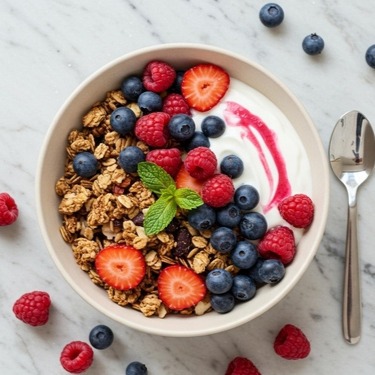
It’s not just how much protein you eat—it’s when you eat it. Spreading your protein evenly throughout the day delivers significant benefits, including better muscle repair, more stable energy, and improved satiety.5,6
A simple rule of thumb: Front-load your day with protein. Breakfast and lunch should be your highest-protein meals.5,6
Breakfast Example:
- Youngevity protein shake blended with Greek yogurt and nut butter
- Eggs and turkey bacon
- A fiber- or legume-rich side
Protein Sources: Animal, Plant, & Supplemental

Thankfully, there are many different ways to get your daily protein!
Animal Protein
Examples: Chicken, fish, eggs, yogurt
Benefits: In addition to muscle support, it promotes optimal hormonal health and enhances immune function.7
Use: Most are complete proteins, providing all essential amino acids.7
Plant Protein
Examples: Beans, lentils, quinoa, tofu
Benefits: In addition to muscle support, plant-based proteins are nutrient-dense and high in fiber, supporting a healthy metabolism, digestion, and overall health.8,9
Use: Many are not complete proteins and may need to be combined for a full amino acid complex.7
Protein Powders
Examples: YGY’s Plant-Based Shake, FitShake™, and Limited-Edition shakes
Benefits: Our shakes provide high-quality proteins from different sources, helping you support muscle maintenance, performance, and growth—plus better satiety and energy.1,3
Use: Easy to enjoy, fast-digesting, and ideal for use on the go; plant-based shakes are ideal for vegans/vegetarians/those sensitive to dairy.
A balanced diet benefits from all sources. And if you eat a mostly plant-based diet, supplementing with amino acids—such as Youngevity’s H.G.H. Amino Acid Blend—can help fill the gaps.
What 24 Grams of Protein Looks Like
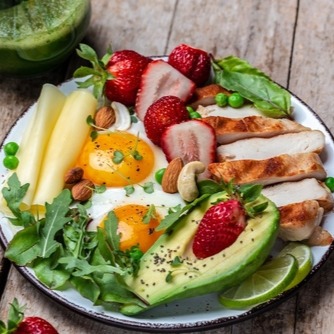
Many individuals underestimate portion sizes, making it harder to hit their daily goals. 24 grams of protein is the average amount found in many protein shakes, which is an easy solution to protein intake. However, when looking at food sources, it looks a lot different.
About 24 grams of protein is equivalent to:
- 5 oz chicken breast
- 3 whole eggs + 2 egg whites
- 1 cup cottage cheese
- 1 block tofu
- 1 cup Greek yogurt with hemp seeds
When you start visualizing protein, you start getting a better grasp of what you should be eating.
3 DAYS TO OPTIMAL PROTEIN INTAKE
Try this simple experiment: track your protein for three days. You’ll soon discover that you are likely eating far less protein than you need. Be mindful during these three days to build each meal around a protein source, blending both plant and animal options if you desire. Add at least one high-protein shake each day to make reaching your health goals even easier.
Build the Perfect Protein Shake!
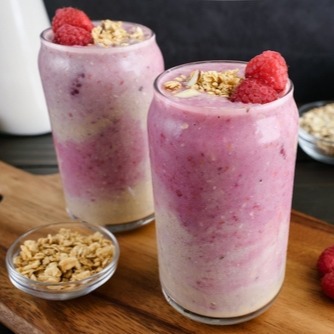
Shakes make it simple to hit your protein goals, especially if you’re always on the go. Here’s a simple plan to build your perfect shake based on your goals.
- Base: Whey, plant-based, or seasonal protein shake
- Texture: Almond milk, yogurt, or frozen fruit
- Flavor Boost: Cinnamon, cacao, berries
- Satiety Add-Ons: Nut butter, oats, chia, or fiber
Then adjust based on your goals:
- Weight Loss: Protein + fiber + low-sugar fruit
- Muscle Gain: Protein + carbs (banana/oats) + healthy fats
- Maintenance: Protein + carbs + low fat
Shakes are flexible, filling, and delicious—making them an ideal choice for fueling your day, regardless of lifestyle and dietary needs. Check out more of our protein shakes at Youngevity.com!
THE POWER OF PROTEIN
Healthy weight and muscle maintenance aren’t just about restriction or dieting; they’re about fueling your body so you can live younger, longer. When you prioritize protein, you prioritize strength, longevity, energy, and confidence.
Sources
1 Protein, The Nutrition Source, Harvard T.H. Chan School of Public Health
2 Sarcopenia in older adults, 2012
3 10 Science-Backed Reasons to Eat More Protein, Healthline
5 Are you getting enough protein?, Mayo Clinic
6 Food-First Fueling: When to Consume Protein for Maximum Muscle Growth, U.S. Anti-Hoping Agency
7 Are Animal Proteins Better for You Than Plant Proteins?, Cedars Sinai
9 The Vegan Diet and Weight Loss, Obesity Medicine Association

