

5 Ways to Protect Your Brain as You Age
Common Issues and Helpful Tips for Protecting Your Brain
As you age, it’s paramount to protect your brain health. Everything from environmental stressors to microplastics can affect aging brains and potentially increase the risk of developing more serious conditions such as dementia or Alzheimer’s.
Mental decline comes with a host of consequences, including difficulty completing daily tasks, isolation, and a general reduction in quality of life. That’s why it’s so important to take care of your mind and be proactive about protecting one of your most important organs: your brain.
Let’s explore the main factors that can increase your risk of mental decline as you age, along with some practical solutions to stay sharp as you enter your golden years.

Common Risk Factors
The number one factor for cognitive decline is unavoidable: age. As you get older, the risk of developing memory issues or dementia increases significantly.1 But it’s not a lost cause: there are ways you can mitigate the risks.
Another major factor, and perhaps a surprising one, is the fact that dysregulation of the gut microbiota can actually affect the brain. New research suggests that a changing gut microbiota can increase the risk of cognitive decline, including dementia.2 There is a direct link between the gut and the brain, and therefore, eating healthy is one of the best things you can do to protect your brain from dementia risks. You can also support your gut health with supplementation: Ultimate Microbiome™ provides prebiotic, probiotic, and postbiotic support for an optimized digestive ecosystem.
Somewhat related to the gut microbiome risk factor is the relationship between weight and brain health. Researchers have discovered that individuals who are overweight or obese have a greater risk of developing dementia.3
Finally, there is also evidence suggesting that stress can negatively affect the brain. The hippocampus is where the brain stores memories, and sustained levels of stress can shrink the hippocampus over time, making the brain less efficient at preserving memories.4
While there are many risk factors that can lead to dementia or Alzheimer’s, stay calm and carry on. There are also plenty of things that you can do to be proactive in protecting your mind.

Tips and Tools to Protect Your Brain
- Learn New Things: Perhaps the coolest and most fun way to protect your brain is to learn new skills. Research suggests that learning multiple new skills as you age can increase neuroplasticity and therefore protect your brain in the long term.5
- Increase Aerobic Activity: One of the best things you can do for your brain is to exercise regularly. Studies show that there is a direct link between regular physical activity and a sharper mind. Aerobic exercise gets your heart pumping, which, in turn, pumps blood to your brain, helping it to function better.6
- Engage Socially with Your Community: Unfortunately, much of the aging population doesn’t get nearly enough social engagement. Circles get smaller as friends move away or pass on, and in our increasingly technological world it can be harder to connect. Nevertheless, it’s still an important priority to have if you want to keep mental decline at bay. Staying connected to others and spending time in the community are important ways to avoid dementia.7 You could join a book club, look for opportunities to volunteer, or maybe start a walking group. The opportunities for building community are endless.
- Get Proper Rest: Getting enough sleep every night is imperative for proper cognitive function. In fact, scientists have found that sleep improves memory recall and gives the brain a chance to clear out toxic waste.8 Think of a good night’s sleep like a dishwasher, cleaning your brain so that it can function at its best the next day.
5. Maintain Proper Nutrition and Supplementation for Brain Health
While staying active, learning new skills, and staying social are all great ways to support your long-term brain health, supplementation is also key. SYNAPTIV® is a cutting-edge brain support supplement that delivers a powerful blend of brain-supporting nutrients. It delivers immediate stress-combating nutrients to support mental clarity and positive cognitive function while also providing you with a botanical antioxidant blend that targets the six major classes of free radicals that hinder brain function. The formula contains vitamins and botanicals including Bacopa, an Ayurvedic herb studied for its ability to support memory and brain function.9
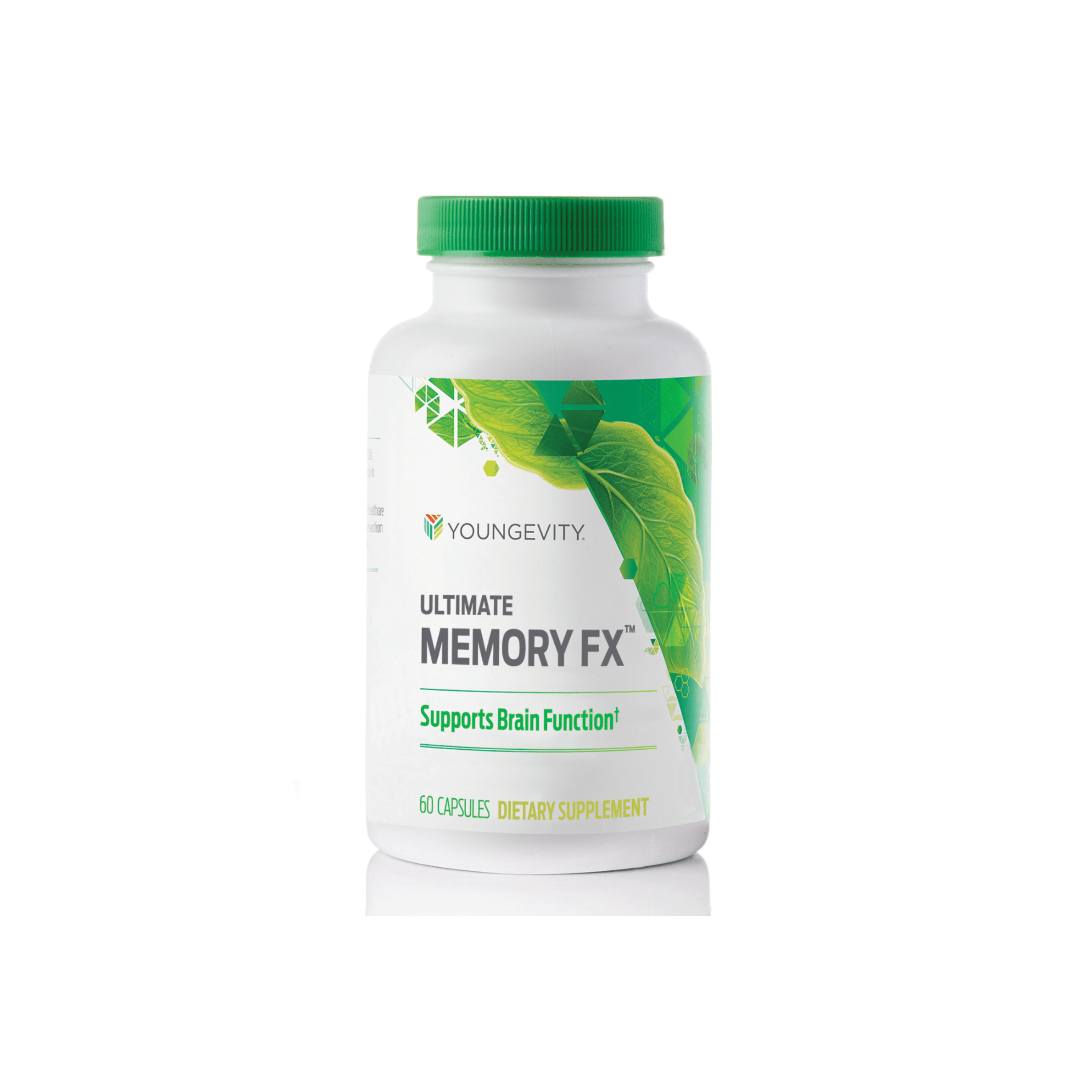
Another option for maintaining a youthful mind even as you age is Ultimate Memory FX™, with vitamins and nutrients to help support your brain health for years to come. It contains a host of B vitamins and Ginkgo leaf, which has been researched to support brain function and overall health.10
Holistic Approach to Cognitive Health
There are many potential risks to brain health as you age, but there are just as many practical ways you can protect your mind for years to come. By learning new things, prioritizing exercise, staying social, and supplementing properly, you can continue to live younger, longer.
READ NEXT: Rewriting Your Menopause Journey, Part 1: Perspective Matters
Sources:
- Cognitive Decline in Ageing and Disease: Risk factors, Genetics and Treatments, 2024
- Microbial-derived metabolites as a risk factor of age-related cognitive decline and dementia, 2022
- Higher risk of dementia in English older individuals who are overweight or obese, 2020
- Stress, stress systems, and Alzheimer’s disease, 2026
- How learning protects the aging brain, 2026
- Physical exercise in the prevention and treatment of Alzheimer’s disease, 2020
- Social Integration and Risk of Dementia Among Older Adults, 2020
- The Neuroprotective Aspects of Sleep, 2015
- Neuropharmacological Review of the Nootropic Herb Bacopa monnieri, 2013
- A double-blind, placebo-controlled, randomized trial of Ginkgo biloba extract EGb 761 in a sample of cognitively intact older adults: neuropsychological findings, 2002

