Gut Dysbiosis: The Hidden Factor Sabotaging Your Healthy Diet
Why an imbalanced microbiome can undermine even the healthiest eating habits.
It’s exhausting to do everything right and still feel like you aren’t seeing the results you want. You fill your cart with organic greens, obsess over your protein intake, and swallow a handful of morning supplements, only to be hit with stubborn joint stiffness, lingering fatigue, and digestion that refuses to cooperate.
Before you write off clean eating entirely, consider this: your food isn’t the problem. The issue is that you aren’t absorbing it.1
Inside your gut, trillions of microbes control this entire process.2 Their job is to break your food down into microscopic pieces that can actually pass through your gut wall.1 But when your microbiome loses its diversity, that engine breaks down into a state called dysbiosis.3
This isn’t just a mild digestive hiccup; it’s a systemic short circuit.3 It blocks fat-soluble vitamins,4 scrambles nutrient absorption,5 and leaves your immune system trapped in low-grade, silent inflammation.3,6 If you’ve ever wondered why a pristine diet can still leave you feeling completely wrecked, it all comes down to a compromised microbiome.3
What Causes Dysbiosis?
Your microbiome is tough, but modern living acts like a wrecking ball to your internal ecosystem.3 When things finally break down, three main culprits are usually behind it:
- Starving Healthy Bacteria: Good bacteria survive by feeding on a wide variety of prebiotic fibers.7 A diet heavy in processed foods effectively starves your keystone strains out of existence.7
- Chemical Disruption: Antibiotics, long term use of NSAID painkillers like Ibuprofen, and artificial sweeteners sweep through the digestive tract like wildfire, leaving wide-open real estate for hostile bacteria to claim.3,8,9
- The Stress Loop: Your gut and the brain share a direct physical link.10 Chronic stress and lack of sleep flood your system with cortisol, slowing digestion and creating a breeding ground for bad bacteria.10,11,12
Once that ecosystem is hijacked, the downstream damage to your daily nutrition limits nutrient absorption and triggers low grade inflammation.1
Paying for Premium Nutrition That Passes Right Through
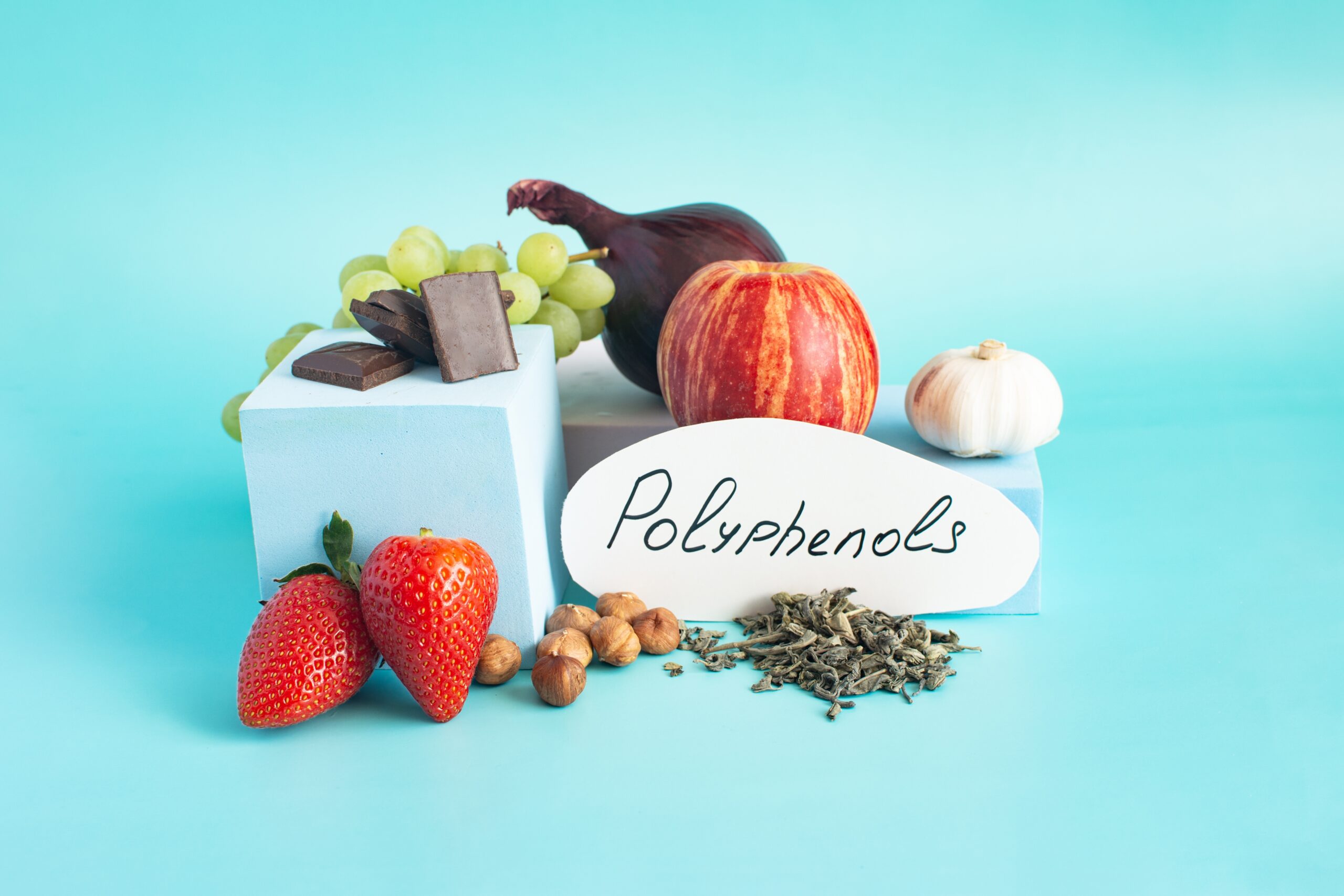
Antioxidants found in “superfoods” are known as polyphenols.5 While they pack serious health benefits, their chemical structures are way too big to be directly absorbed by your cells.5 Trying to fit these large molecules through your cell walls is like trying to fit a pick-up truck through your front door.
The body relies entirely on specific strains of gut bacteria to break down these giant structures into tiny, bioavailable compounds your cells can actually use.5,13
When dysbiosis wipes out these key gut bacteria, your body has no way to unpack these essential antioxidants.5 You can eat foods rich in polyphenols like dark chocolate, green tea, fruits, and nuts, and yet experience almost no improvements in joint comfort or cellular recovery.5,13
Why Healthy Fats and Vitamins Go Unabsorbed
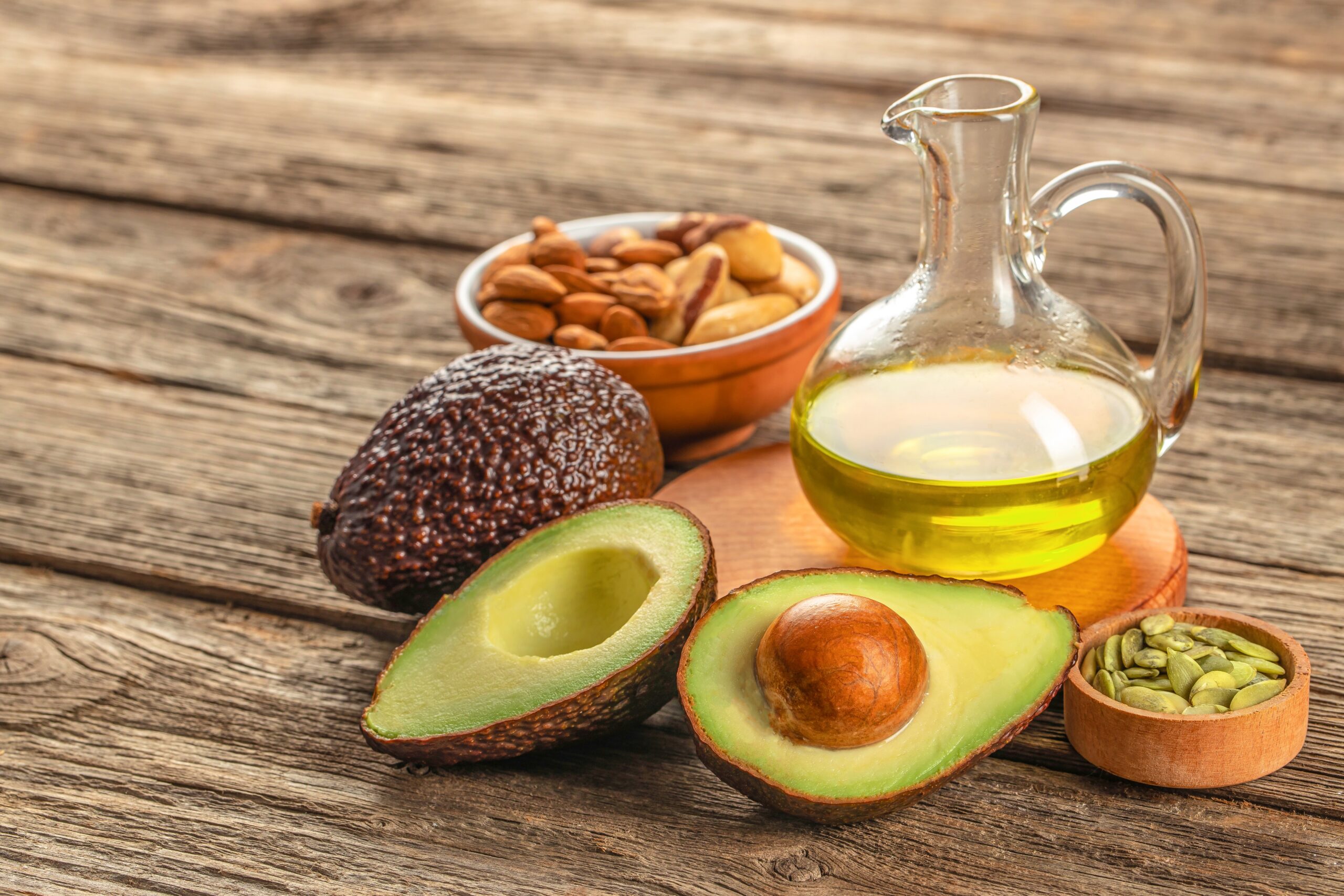
Your liver produces bile that acts like dish soap, breaking down fats so your gut can absorb them. But your microbiome controls how those bile acids are used.14 Beneficial bacteria use a special enzyme to convert raw bile acids into their active forms, a crucial step in efficient fat absorption.14
In a dysbiotic gut, high levels of opportunistic bacteria destroy these bile acids prematurely, severely impairing your ability to absorb essential Omega-3 fatty acids and fat-soluble vitamins (Vitamins A, D, E, and K).4,15 Even if you eat plenty of avocados, wild salmon, and high-grade vitamin supplements, you might still suffer from shortages of these healthy fats.4,15
How Bad Bacteria Hijack Your Micronutrients
A healthy microbiome acts as an internal vitamin factory, producing significant quantities of B vitamins while maintaining an optimal environment for nutrient absorption.16,17 Beneficial fermentation keeps the digestive tract slightly acidic, which is required to dissolve minerals like iron, magnesium, zinc, and calcium so they can cross the intestinal wall.17
When opportunistic bacteria take over, they actively steal the dietary iron and Vitamin B12 your own cells rely on.18,19 At the same time, they make the gut environment less acidic, converting essential minerals into forms your body cannot absorb.17 This internal theft shows up as unexplained brain fog, midday cognitive crashes, muscle cramps, or borderline anemia—even when your dietary intake is dialed in.17,18,19
Dealing with stubborn gut hijackers?
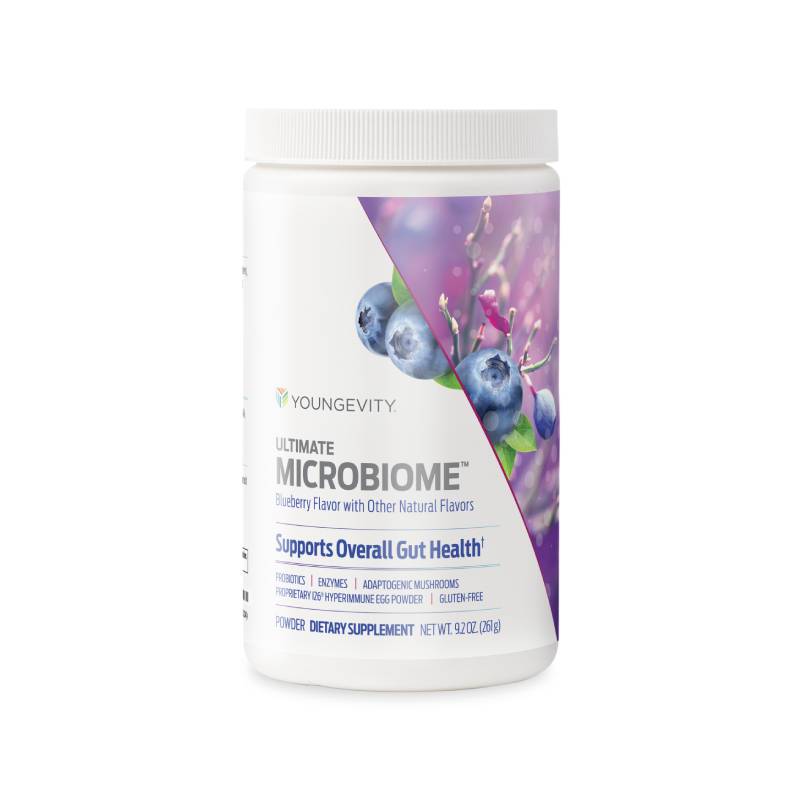
If hostile bacteria have already taken over your gut, standard probiotics rarely make a difference. Ultimate Microbiome™ may help evict those freeloaders at the source—blending prebiotics, probiotics, and postbiotics with i26® Hyperimmune Egg Powder and functional mushrooms to build up your good bacteria and defend your gut wall. *

The Hidden Cost of a Leaky Gut
Your gut lining requires a very specific type of fuel to stay healthy and sealed, and only certain species of bacteria can make it.20 Without enough of these helpful microbes, your gut lining starves and develops intestinal permeability (often called leaky gut), becoming porous enough for harmful bacterial toxins to leak straight into your bloodstream.6,20
This leakage puts your immune system on permanent high alert.6 Your body wastes a massive amount of energy managing its internal inflammation.21 You feel heavy, inflamed, and drained because your body is working overtime to fix a problem your diet alone can’t solve.6,21
Rebuilding Your Internal Microbiome
Just as damage to your microbiome doesn’t happen overnight, rebuilding these populations won’t happen simply by changing what you put on your plate.7,22 Before your gut can recover, you have to nourish the beneficial bacteria that are still fighting for you—giving them the targeted fuel they need to restore healthy gut acidity, seal your intestinal wall, and crowd out harmful strains.17,20,23
The catch? You don’t want to just jump in and overload a sensitive gut with heavy, rough fiber. When populations of healthy bacteria are low, your digestive system struggles to break down larger fiber molecules, which may leave you bloated and uncomfortable.24
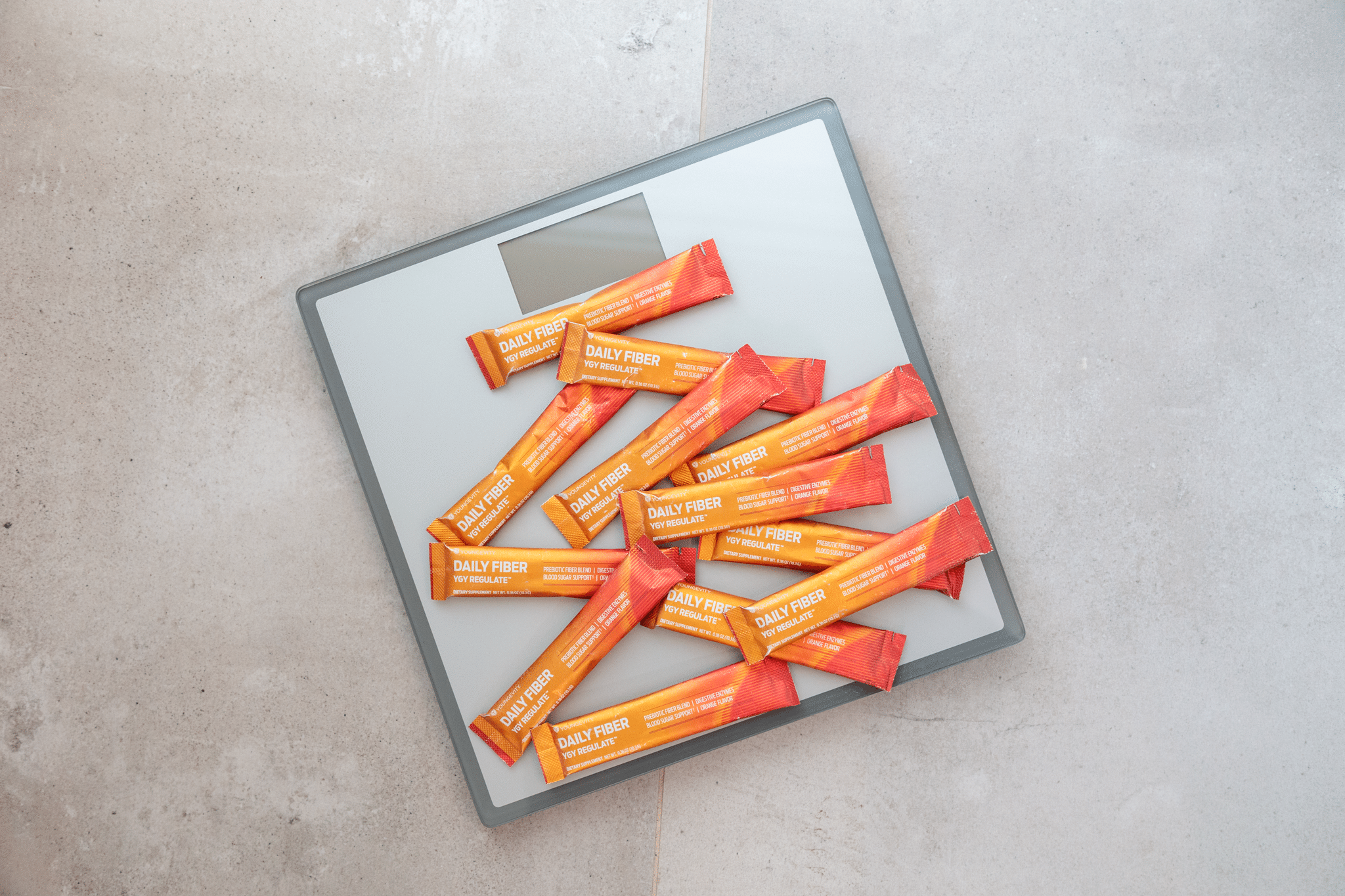
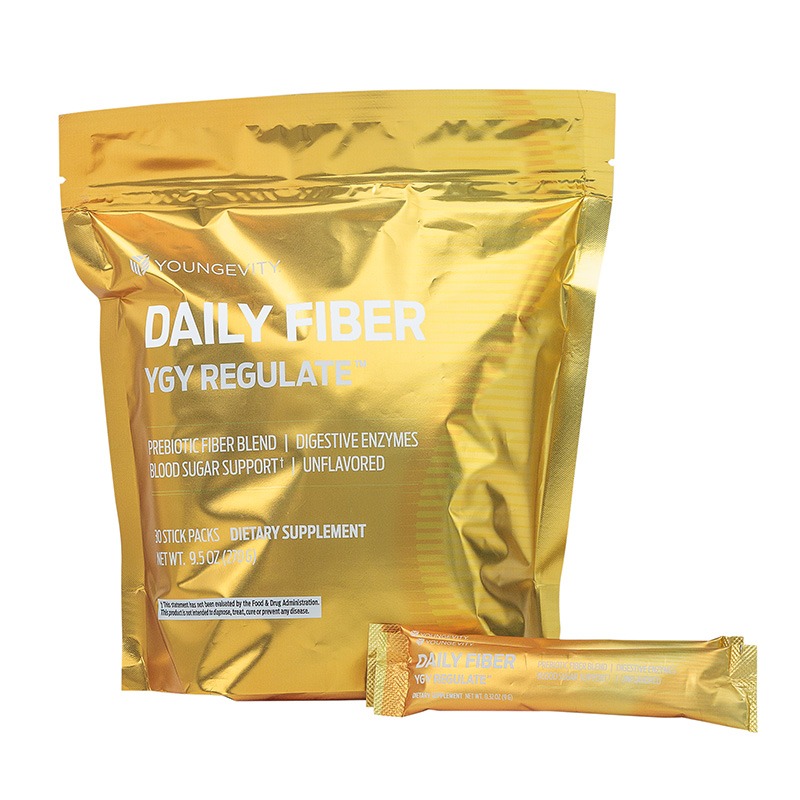
Start by working a gentle, multi-source prebiotic like YGY Regulate™ Unflavored Daily Fiber into your daily routine to disappear seamlessly into your morning coffee, or YGY Regulate™ – Daily Fiber (Orange Flavor) for a bright, refreshing standalone drink. Instead of bogging down your digestion, it delivers the exact microscopic fuel your beneficial microbes need to multiply and repair your gut barrier.* Once your microbiome is back in harmony, your digestive tract is finally primed to absorb the clean diet and daily supplements you invest in—delivering the energy and recovery you’ve been working for.*
Sources
- Gut microbiota functions: metabolism of nutrients and other food components, 2018
- Revised Estimates for the Number of Human and Bacteria Cells in the Body, 2016
- Defining dysbiosis and its influence on host immunity and disease, 2014
- Small intestinal bacterial overgrowth: a comprehensive review, 2007
- Benefits of polyphenols on gut microbiota and implications in human health, 2013
- Changes in Gut Microbiota Control Metabolic Endotoxemia-Induced Inflammation in High-Fat Diet-Induced Obesity and Diabetes in Mice, 2008
- Diet-induced extinctions in the gut microbiota compound over generations, 2016
- Extensive impact of non-antibiotic drugs on human gut bacteria, 2018
- Artificial sweeteners induce glucose intolerance by altering the gut microbiota, 2014
- The gut-brain axis: interactions between enteric microbiota, central and enteric nervous systems, 2015
- Stress & the gut-brain axis: Regulation by the microbiome, 2017
- Gut microbiota and glucometabolic alterations in response to recurrent partial sleep deprivation in normal-weight young individuals, 2016
- The Reciprocal Interactions between Polyphenols and Gut Microbiota and Effects on Bioaccessibility, 2016
- Intestinal Crosstalk between Bile Acids and Microbiota and Its Impact on Host Metabolism, 2016
- Bile acids and the gut microbiome, 2014
- Metabolism of Dietary and Microbial Vitamin B Family in the Regulation of Host Immunity, 2019
- Prebiotics, probiotics, and synbiotics affect mineral absorption, bone mineral content, and bone structure, 2007
- Vitamin B12 as a modulator of gut microbial ecology, 2014
- Nutritional iron turned inside out: intestinal stress from a gut microbial perspective, 2014
- The microbiome and butyrate regulate energy metabolism and autophagy in the mammalian colon, 2011
- The brain and immune system prompt energy shortage in chronic inflammation and ageing, 2017
- Diversity, stability and resilience of the human gut microbiota, 2012
- Expert consensus document: The International Scientific Association for Probiotics and Prebiotics (ISAPP) consensus statement on the definition and scope of prebiotics, 2017
- Fiber and functional gastrointestinal disorders, 2013
Disclaimer:
*These statements have not been evaluated by the Food and Drug Administration. This product is not intended to diagnose, treat, cure, or prevent any disease.
YGY Regulate™ Daily Fiber
Ready to shut down the internal saboteur and actually absorb what you eat? Lay the foundation with YGY Regulate™ Daily Fiber, available in both orange and unflavored options.
Shop Now