
Toxic Load and Your Health Explained
Posted: January 19, 2026 | By: Shanon Peckham

Toxins are everywhere we go. From our food packaging, water bottles, cars, and office buildings, to the air we breathe, water we drink, and other random environmental toxins we expose ourselves to whether or not we leave the house, toxic substances are impossible to avoid. It can feel overwhelming at times to face that reality, but staying informed and sharing the right info with our communities can help us better protect each other and our health. And thankfully, there are plenty of practical lifestyle adjustments we can make to reduce our toxic load, giving our bodies a break and a better chance to thrive.
What is Toxic Load?
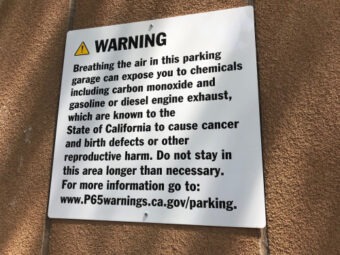
Toxic load – a term used in the wellness and holistic health industry to spread awareness about how toxins accumulate in the body and impact our health – can help us each assess how much toxicity is too much for our bodies and keep score when we want to do some damage mitigation. Everyone has a different toxic load threshold, but generally, when your body’s toxic load is too much, you will probably start to feel more side effects since the systems that are designed to filter, recycle, and detox can’t keep up.1,2 Like when your vacuum gets too full or jammed with hair, it doesn’t really do a thorough job anymore and can even overheat or become non-functional.
Point is: Since we can’t necessarily see or feel the subtle damages of our own toxic load day to day until things get really bad, we’re basically jamming our bodies up with more toxins than they can handle until we overload them, which can have negative impacts for our health (both now and over the long term). Today, we’re getting into what substances can increase your toxic load, associated health risks, and what you can do to mitigate your exposure.

Common Toxins & Their Side Effects
Toxins are basically any “toxic” substances harmful to the human body. Think asbestos in old buildings, phthalates in our beauty supplies, microplastics and PFAs in our drinking water, pesticides and heavy metals in our food supply, smoke from your cooktop and emissions from cars, alcohol, radiation, etc – you’ve seen all the headlines.3,4 Exposure to these chemicals, pollutants, and environmental factors can cause damage to nearly all of your body’s systems at the cellular level; a chronically high toxic load is likely to exacerbate or cause accelerated aging, allergies, organ dysfunction, brain damage, reproductive issues, chronic inflammation, decreased immune response, and more, especially for those who are immunocompromised.2,5,6,7,8,9
The worst part about chronic toxin exposure is that you may not even have or notice symptoms, slowly becoming used to an ill or off-feeling “new normal” over time. If you’re having any chronic symptoms that decrease your happiness, vitality, or quality of life, it’s definitely time to visit a doctor and start seeing what you can do to get your health back on track.
Limiting Your Exposure – and Fighting Back!
Like we said before, it’s impossible to avoid all toxins – plus, you have to enjoy your life. Sometimes you’re going to have a drink, stay out in the sun too long by accident, or be stuck in traffic with no AC in the peak of summer heat. Damage mitigation is what we recommend, and we’ve done a little research to help you get started!
The good news is, asbestos and lead are less of a threat these days since nearly everything made post-1970s is free of both; to avoid asbestos or lead, make sure to do your research and call in the professionals when it comes to renovating old homes and buildings.10,11 BPA has also been removed from quite a few common household items,12 but be sure to always check the label before purchasing a new reuseable water bottle just in case!
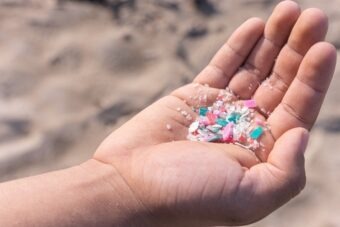
While PFAs and microplastics especially can be tricky to avoid since they’re in everything, boiling and filtering or using reverse osmosis for your drinking water can help you cut quite a bit out of your daily intake. You can also avoid additional microplastic shedding by transferring your takeout leftovers to a microwave-safe ceramic or glass plate before microwaving, choosing metal/wood/glass cookware and storage containers, and avoiding certain high-plastic-count items like single-use plastic water bottles or fish.13

For keeping the air around you as fresh-smelling and contaminant-free as possible, we recommend = a HEPA filter for your home or office. You can also check the Air Quality Index and wear a high-quality mask if you want to be extra careful in crowds or cities with bad smog. Keep pesticides out of your house by prioritizing farmers’ market-fresh produce and phase nasty chemicals out of your personal care products by always checking the ingredients for phthalates and other known toxins.
Did you know you can also fight toxins with nutrition and healthy eating habits? The more toxins build up, the more free radicals cause oxidative stress damage to your cells, which can lead to all the unpleasant health impacts we listed above. Antioxidants are particularly great at fighting oxidative stress, so ensure you’re eating a diet rich in bright, colorful fruits and veggies to help your body fight back against toxins. You can also boost your body’s natural cellular cleanup process (called autophagy) by fasting longer between meals.14 Learn more about our intermittent fasting program, YFast, and explore our antioxidant supplement blends at Youngevity.com.
We hope these suggestions help you keep a happier, healthier, safer routine and shake off that feeling of overwhelm. Start making small changes where you can and watch your life – and your health – transform!
Read Next: 5 Ways Sleep Deprivation Impacts Your Health
Sources
1 Toxin Response, Harvard Medical School
2 Toxins and Your Health, U.S. Department of Veterans Affairs
3 Types of Common and Dangerous Poisons, National Capital Poison Center, Poison Control
4 Toxicology, NIH National Institute of Environmental Health Sciences
7 Toxicity, mechanism and health effects of some heavy metals, 2014
8 Learn About Asbestos, U.S. Environmental Protection Agency
9 Neurotoxicity, Cleveland Clinic
10 Asbestos In The Home, U.S. Consumer Product Safety Commission
11 Lead, NIH National Institute of Environmental Health Sciences
12 Bisphenol A (BPA): Use in Food Contact Application, U.S. Food & Drug Administration
13 Can We Combat Microplastics with Nutrition?, Youngevity Blog
14 A 5 Step Guide to Detoxing, The Youngevity Way, Youngevity Blog
Posted in:

